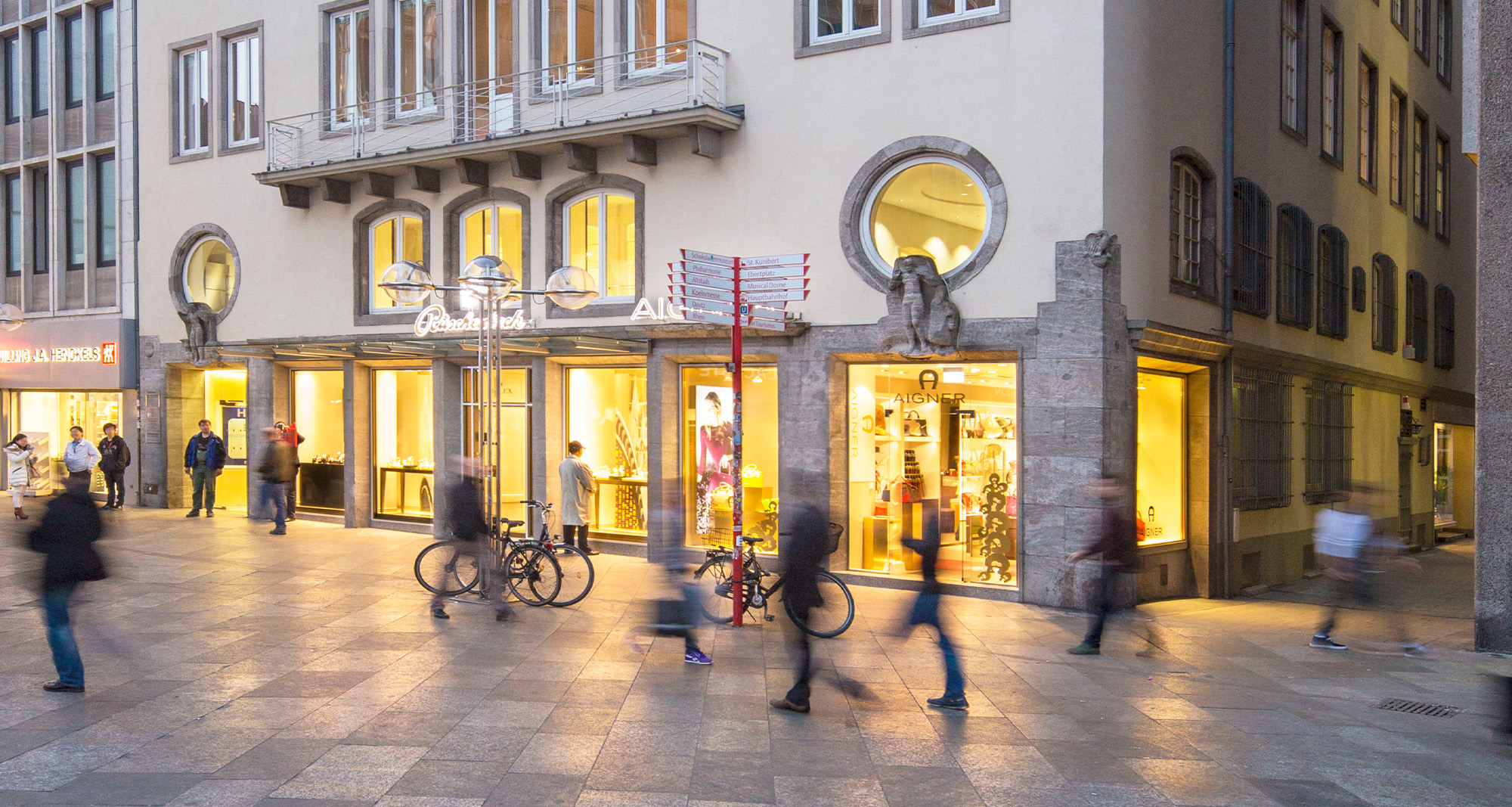
Aachener Grundverögen has been accelerating its transformation into a data-driven company for some time. A new data architecture should help to optimize business processes and develop a profound investor understanding. However, it faces challenges such as data inconsistencies, dependency on outdated tools such as Excel, and the lack of effective code versioning, which makes simultaneous development difficult and increases the risk of errors and conflicts.
Together with taod, Aachener Grundvermögen is introducing a modern data architecture with cloud solutions and the Data Vault modeling approach. This makes data management more consistent and transparent. The introduction of the new data model makes it easier to integrate various data sources and promotes an agile development environment. With this initiative, Aachener Grundverögen is positioning itself at the forefront of digital modernization in the real estate sector.
How can a uniform data structure be set up?
How can large amounts of data from many different systems be integrated and stored reliably?
How is it possible to easily connect data to BI tools such as Power BI?
At the start of the project, we conduct a kick-off workshop to define business requirements and develop the data strategy. The needs of specialist departments are analysed in order to identify relevant data for real estate leasing, contract management and other processes. Based on these findings, a high-level data architecture is created that takes current and future requirements into account. This is then coordinated and tested with the company's specific services.
Our team is developing a prototype to test the data architecture and model in practice. With Snowflake and the Data Vault approach, a first data model is being created that integrates different data sources and creates a modular, scalable structure. The prototype simulates the integration of internal and external data sources such as SAP, hystreet and Open Street Map. The aim is to test and validate the effectiveness of the data architecture.
By using Data Vault, the team can create an agile development environment in which feedback is continuously obtained and implemented. This iterative approach made it possible to gradually improve the data model and tailor it precisely to the needs of the specialist departments.
After a successful prototype test, the implementation of the data architecture and the migration of the on-premise solutions to the cloud begins. Apache Airflow orchestrates data integration, while Power BI is connected for reporting. The cloud environment enables Aachen basic assets to adapt flexibly and perform at a scalable level as requirements grow.
With the new data infrastructure, the system was gradually transferred into operational operation, accompanied by workshops and training courses to promote a data-driven way of working. The project does not end with the rollout, but is continued in a phase of continuous optimization to develop new use cases. The established data structures enable innovations such as AI chatbots and predictive analytics, which strengthen Aachen's position as an industry pioneer.
The Aachener Grundvermögen project aims to transform the company into a data-driven organization. In collaboration with taod, Aachener Grundvermögen has developed a data-driven infrastructure that optimizes the handling of extensive real estate data. The introduction of Data Vault as a modeling approach ensures data quality and creates a flexible data structure that enables a smooth connection of various source systems and extensions.

Aachener Grundverögen wanted to accelerate the transformation to a data-driven company and build a modern data architecture for this purpose. The aim was to optimize business processes, develop a deeper investor understanding and create uniform, transparent data management.
Prior to the project, Aachen's basic assets had to deal with data inconsistencies, dependency on outdated tools such as Excel, and a lack of code versioning. In addition, large amounts of data from many different systems had to be integrated and stored reliably, while at the same time allowing a simple connection to BI tools such as Power BI.
Together with Aachener Grundvermögen, taod developed a modern cloud data architecture with Snowflake and the Data Vault modelling approach. In addition, dbt Cloud Enterprise was used for transformation processes, Apache Airflow to orchestrate data integration and Power BI for reporting.
The introduction began with a kick-off workshop to define the data strategy and business requirements. A prototype was then developed that integrates internal and external data sources such as SAP, hystreet and Open Street Map. This was followed by agile, iterative adjustments, the migration of on-premise solutions to the cloud and the gradual rollout into operational operations, accompanied by workshops and training courses.
Aachener Grundvermögen established a uniform and historicizable data structure that resolves redundant processes and makes data consistently available. Before the start of the project, there were around 140 non-integrated data pipelines; the new data model integrates data from five central systems: SAP, hystreet, RIWIS, 21st Real Estate and manual Python interfaces. In addition, transformation processes now run automatically via planned DBT jobs, and with Power BI, a company-wide BI tool is productively available for the first time.
Let us answer your questions during a non-binding initial consultation.

From analysis to cloud implementation: We improve your data management strategically and technologically.

A compact overview of the most important terms, technologies and cloud models.

We help you build a cloud data warehouse, develop a scalable data model, and bundle your data in a central location.